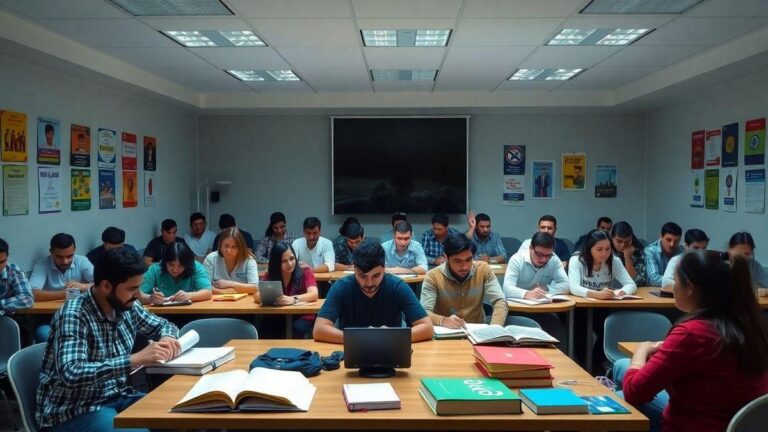
5 scholarships in the USA that you can apply for even without citizenship
5 scholarships in the USA that you can apply for even without citizenship can change your life! In this article, I'll show you everything you need to know about getting a scholarship, even if you're not a US citizen. I'll discuss the different types of scholarships available, how they work for international students, and the benefits you can enjoy. I'll also share valuable tips to help you stand out in your applications and find the best opportunities. So, if you dream of studying in the US, keep reading!
What are scholarships in the USA that you can apply for even without citizenship?
Types of scholarships available
When I think about scholarships, the opportunity to study without worrying so much about costs immediately comes to mind. In the United States, there are several scholarship options available, even for those without citizenship. Here are some types you might consider:
- Merit scholarships: Offered based on academic performance. If you have good grades, this could be a good opportunity.
- Sports bags: If you are good at a sport, many universities offer scholarships for athletes.
- Scholarships for minorities: Some institutions have specific programs to help minority groups.
- Financial Need Scholarships: If your financial situation is not the best, these scholarships can help a lot.
- International scholarships: Focused on students from outside the US who wish to study in the country.
How do scholarships for international students work?
To the scholarships for international students They work a little differently. Many universities have programs dedicated to attracting students from other countries. To apply, you generally need to:
- Fill out the registration form: Each university has its own process.
- Send documents: This can include academic transcripts, letters of recommendation, and sometimes even a personal essay.
- Prove English proficiency: Most institutions ask for a test like TOEFL or IELTS.
It's always a good idea to keep an eye on deadlines. Some scholarships have very specific deadlines, and missing the deadline could mean missing out on the opportunity.
Benefits of scholarships without citizenship
To the scholarships without citizenship offer many benefits. Here are some that I consider important:
- Cost reduction: They help cover tuition and materials expenses.
- Access to better institutions: You can often study at renowned universities.
- Networking: Studying in the USA allows you to meet people from different cultures and form a valuable network of contacts.
- International experience: Living and studying in another country enriches your worldview.
These benefits can change your life and open doors you never imagined.
How to find study opportunities in the USA
Useful websites and resources for research
When I started looking for study opportunities in the USAI've realized there are many websites and resources that can help. Here are some of the best:
- Fastweb: A website that connects students with scholarships. Simply create a profile and you'll receive personalized suggestions.
- College Board: In addition to college information, they have a section dedicated to scholarships.
- Cappex: This site allows you to search for universities and see the scholarships available for each one.
- Scholarships.com: One of the largest scholarship databases. You can filter by field of study and other criteria.
These sites are like maps on a journey, showing you the path to the opportunities you desire.
Social networks and support groups
To the social media are also a great way to find study opportunities. Facebook groups or Reddit forums can be very helpful. Here are some tips:
- Join specific groups: Look for groups focused on scholarships or education in the US.
- Follow university pages: They often post about scholarship opportunities directly to their networks.
- Connect with people: Talking to people who have already been through this experience can open doors.
These connections can be like a safety net, supporting and guiding you in your quest.
Tips for standing out in applications
When it comes to registrations, it's important to stand out. Here are some tips I've learned:
- Be authentic: Tell your story. What motivates you? What have you learned so far?
- Customize your application: Each scholarship may have different requirements. Adjust your text accordingly.
- Ask for recommendations: Letters of recommendation from teachers or employers can make all the difference.
- Review your text: Grammar or spelling errors can hurt your application. Have someone proofread it.
These steps could be the key to opening the doors you want.
US Student Loans: Options and Requirements
Student Loans for Non-Citizens
When it comes to student financing In the United States, a common question many ask is, “What if I’m not a citizen?” The good news is that there are options available! While the options may be limited, there are still avenues that can help me get the financial support I need for education.
One of the types of loans that non-citizens can consider are private loans. Many financial institutions offer these loans, but it is important to note that they may require a co-signatory who is a citizen or permanent resident. This means someone who trusts me, such as a family member or friend, can help secure the loan.
Financial assistance programs
In addition to loans, there are also financial assistance programs that are accessible to noncitizen students. These programs may vary by state and educational institution. Some examples include:
- Scholarships: Many universities offer scholarships to international students, which can cover everything from tuition to living expenses.
- Need-based assistance: Some institutions have funds to assist students who demonstrate financial need, regardless of citizenship status.
Comparing financing options
To help you better understand the options available, here's a simple table comparing student loans and financial aid programs:
| Type of Financing | Citizenship Required | Co-signer Required | Coverage |
|---|---|---|---|
| Private Loans | No | Yes | Variable |
| Scholarships | No | No | May cover tuition and living expenses |
| Need-Based Aid | No | No | May vary depending on need |
This information can be a big step for me as it helps me to navigate for the financing options available even without being a citizen.
The best affordable scholarships
Examples of scholarships without citizenship
When I think of scholarships, I immediately think of incredible opportunities! And the best part is, they exist. scholarships available even for those who don't have US citizenship. Here are some examples that might interest you:
- Fulbright Foundation Scholarships: For international students wishing to study in the US. They cover tuition and even travel expenses.
- Harvard University Scholarships: Harvard offers a number of citizenship-free scholarships aimed at low-income students from around the world.
- University of California Scholarships: Some universities in California have specific programs for undocumented students, offering financial support.
- Dream.US Scholarships: Intended for undocumented students and assistance with tuition costs at partner colleges.
- College Board Scholarships: They have a database where you can find various scholarship options that do not require citizenship.
Eligibility criteria
Now, you might be wondering, “What do I need to qualify?” eligibility criteria may vary from one exchange to another, but here are some common points:
- Immigration status: Some scholarships accept undocumented students, while others may require a specific visa.
- Academic performance: Many scholarships require a solid academic record. This means your grades and extracurricular activities count a lot!
- Financial need: Some scholarships are based on financial need, so you may need to demonstrate that you need assistance.
- Documentation: Be prepared to provide documents such as academic transcripts and proof of income.
How to prepare to apply
If you are thinking about signing up, here are some tips on how to do it. prepare for the process:
- Search: Look at different scholarships and their requirements. Make a list of the ones that interest you most.
- Organize your documents: Make sure you have all the necessary documents, such as academic transcripts and letters of recommendation.
- Write a good essay: Many scholarships ask for a personal essay. Use this to tell your story and showcase your passion!
- Ask for help: Don't hesitate to ask friends or teachers to review your application. An extra set of eyes can make all the difference.
- Keep track of deadlines: Keep an eye on the deadlines so you don't miss your chance to register.
The Impact of Scholarships on Higher Education in the United States
Increased educational opportunities
When I think of scholarships, I can't help but remember how they can open doors. For many students, especially those from outside the United States, these opportunities are like a beacon in the fog. scholarships help lessen the financial burden of higher education, allowing me and other students to focus on what really matters: learning and growing.
With the scholarships, I realize that educational options multiply. They not only cover tuition, but often also help with books, housing, and other expenses. This means I can dedicate myself to extracurricular activities, internships, and even volunteer work, all while pursuing my academic dream.
International Student Success Stories
I love hearing stories of international students who have managed to transform their lives thanks to scholarshipsOne example that always inspires me is Maria, a young woman from Brazil who dreamed of studying engineering. With a scholarship, she not only got into a renowned university but also excelled in her class. Today, Maria works at a technology company and always says the scholarship was key to her success.
Another story is that of Ahmed, who came from Egypt. He always dreamed of being a doctor, but financial difficulties were an obstacle. Thanks to a scholarship, he was able to study medicine and is now helping the community by conducting life-saving research. These stories are not only inspiring, but also show how scholarships can change the course of someone's life.
How scholarships change lives
To the scholarships Scholarships have a profound impact on students' lives. They not only provide financial support but also boost confidence and motivation. When I see someone receive a scholarship, I feel like a new journey has begun. It's like a new chapter has opened, full of possibilities.
These opportunities allow me and other students to explore our interests and passions without the burden of student debt. This is crucial, especially in a world where education is the key to a better future. Without a doubt, scholarships are a true game changer.
Tips to Maximize Your US Financial Aid
Completing the FAFSA and Other Forms
When it comes to financial aid, the first step is to fill out the FAFSA (Free Application for Federal Student Aid). This form is your key to accessing a variety of financial benefitsHere are some tips I'd like to share:
- Start early: Don't leave it to the last minute. The sooner you fill it out, the more time you'll have to correct any errors.
- Have all documents ready: Bring documents such as proof of income and bank information. This makes filling out the form easier.
- Review everything: Before submitting, please read it again to avoid mistakes that may delay your help.
The importance of letters of recommendation
To the letters of recommendation can make all the difference in your search for financial aid. They show who you are beyond your grades. Here are some tips on how to get good letters:
- Choose the right people: Teachers, employers, or mentors who know your work and dedication well are great options.
- Order in advance: Give them enough time to write a well-crafted letter.
- Provide information: Tell them about your goals and achievements. This helps personalize the letter.
Maintaining good academic performance
Maintaining good academic performance is essential. Many scholarships and financial aid programs require you to maintain a high grade point average. Here are some tips I follow:
- Establish a study routine: Create a schedule that works for you and stick to it.
- Ask for help when you need it: Don't hesitate to seek support from teachers or peers.
- Participate in extracurricular activities: This can enhance your resume and show your commitment.
| Tip | Description |
|---|---|
| Start early | Complete the FAFSA as soon as possible. |
| Choose the right people | Select who can speak well of you. |
| Establish a routine | Create a study schedule that works. |