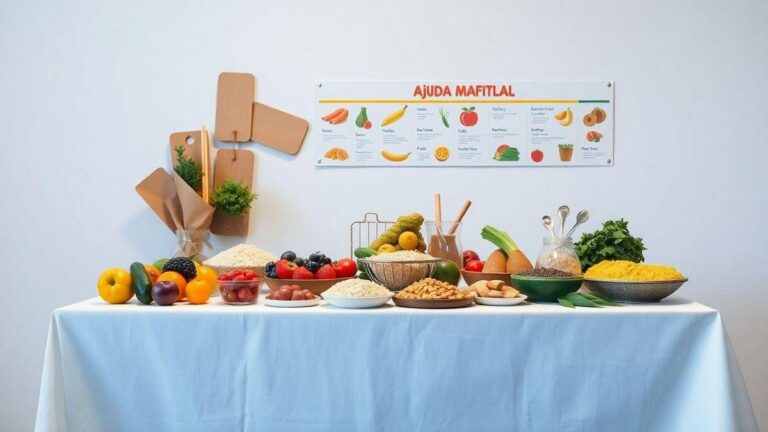
SNAP or WIC? Understanding the food programs available in the United States
SNAP or WIC? Understand the food programs available in the United States. Understanding food assistance programs is essential, especially for those in need. In this article, we'll explain the key differences between SNAP and the WIC, how each one works, and who can enroll. We'll also discuss the benefits these programs offer and how they help improve family health. Let's explore it all together.
Differences between SNAP and WIC
What is SNAP?
O SNAP The Supplemental Nutrition Assistance Program (SNAP) is a U.S. government program that provides food assistance to low-income individuals and families. With SNAP, you can buy healthy foods like fruits, vegetables, bread, and meat using a magnetic strip card that works like a debit card. It's a valuable help when shopping!
What is WIC?
O WIC (Women, Infants, and Children) is a program that helps pregnant women, breastfeeding mothers, and young children. WIC focuses on ensuring access to healthy, nutritious food. In addition to providing food, WIC also offers nutritional education and health support. It's like having a friend who cares about your nutrition and well-being!
Main differences between SNAP and WIC
Below is a table to help you better understand the differences between SNAP and WIC:
| Feature | SNAP | WIC |
|---|---|---|
| Who can apply? | Low-income families and individuals | Pregnant women, breastfeeding mothers and children up to 5 years old |
| Type of help | Card to buy food | Specific foods and nutritional education |
| Flexibility | You can buy a variety of foods | Foods limited to specific products |
| Duration | Ongoing assistance as long as you meet the requirements | Help for a limited period, usually until the child is 5 years old |
These differences are important when determining which program best suits your needs. If you're a mother with young children, WIC may be the best option. But if you need general help with food, SNAP is the way to go.
Who is eligible for SNAP?
Income Requirements for SNAP
To find out if you are eligible for the SNAP, it is important to understand the income requirementsThe program has income limits that vary depending on your family size. Basically, if your monthly income is below a certain amount, you may be eligible.
Here's a simple table:
| Family Size | Monthly Income Limit |
|---|---|
| 1 | $1,396 |
| 2 | $1,888 |
| 3 | $2,379 |
| 4 | $2,871 |
| 5 | $3,363 |
These numbers are subject to change, so it's always a good idea to check the latest information. SNAP also considers certain expenses, such as rent and medical bills, which can help increase your eligibility.
How to sign up for SNAP
If you think you meet the requirements, the next step is subscribeThe process may seem complicated, but don't worry! Here's a guide:
- Visit the website from the U.S. Department of Agriculture (USDA) or your state's website.
- Fill out the form registration form, informing your income, expenses and the composition of your family.
- Wait for the answerYou will typically receive a response within 30 days.
Documents required for SNAP registration
When signing up, you will need a few documentsHere are the main ones:
- Identification: This can be a driver's license or other photo ID.
- Proof of income: Pay slips or tax returns.
- Proof of expenses: Rent, utility bills, or medical expenses.
Having these documents ready makes the process much easier. Remember, proper documentation is essential to ensure your application is accepted without any issues.
Who is eligible for WIC?
WIC Eligibility Criteria
WIC, which stands for Special Supplemental Nutrition Program for Women, Infants and Children, is designed to help those most in need. Here are the criteria that can help you understand if you or someone you know could benefit from this program:
- Target groups: Pregnant women, breastfeeding mothers, and children up to 5 years old.
- Income: Family income must be below the federal poverty line. If you earn less than that, you may be eligible.
- Residence: You must be a US resident and live in the state where you are applying.
Benefits available to WIC participants
WIC benefits ensure families have access to healthy food. Here are some of the key benefits:
| Benefits | Description |
|---|---|
| Healthy foods | WIC offers vouchers or cards that can be used to purchase nutritious foods such as fruits, vegetables, milk, and cereals. |
| Nutritional counseling | Participants have access to professionals who help them better understand healthy eating. |
| Breastfeeding support | Help and guidance for mothers who wish to breastfeed their babies. |
How to Enroll in the WIC Program
If you think you meet the criteria, applying for WIC is simple. Here's what you need to do:
- Locate a WIC Office: Find your nearest office through the WIC website or by calling the customer service number.
- Prepare the documentation: Bring documents that prove your income, residence and information about your children.
- Schedule an interview: You will need to undergo an interview where your eligibility will be assessed.
- Receive your benefits: If approved, you will begin receiving your benefits and guidance.
Health Benefits of SNAP and WIC
How SNAP Helps with Nutrition
The SNAP program, or Supplemental Nutrition Assistance Program, can make a big difference in people's lives. SNAP helps many families afford healthy foods. With this program, you can use a single card to purchase fruits, vegetables, whole grains, and dairy products. This ensures a balanced and nutritious diet.
For example, if you're facing financial hardship, SNAP can help you avoid hunger and access healthy foods. It's an extra boost when it comes to grocery shopping!
The Impact of WIC on Children's Health
WIC is a true treasure for mothers and their children. This program provides nutritional assistance and education on healthy eating. When mothers and children benefit from WIC, we are building a healthier future.
WIC provides specific foods and assistance with medical and nutritional appointments, essential for growing children. For example, if you have a baby, WIC can ensure they receive all the nutrients they need to develop well.
The importance of food assistance in public health
Food assistance, such as SNAP and WIC, is crucial to public health. When people have access to nutritious food, it improves individual health and helps the community. Fewer sick people means less strain on health services.
Here's a simple table that shows some benefits:
| Program | Benefits |
|---|---|
| SNAP | Helps you buy healthy food |
| WIC | Nutritional and medical support for mothers and children |
These programs help ensure that everyone has a fair chance to live a healthy life.
How Food Programs Help Low-Income Families
The Role of SNAP in Food Security
O SNAP is one of the main resources for helping low-income families feed themselves. With SNAP, families can purchase healthy and nutritious foods, essential for health and well-being.
For example, a single mother who works hard but still struggles to put food on the table can use SNAP assistance to ensure her children have access to fruits, vegetables, and other essential foods. This improves nutrition of the family and relieves financial pressure.
WIC and its support for mothers and children
O WIC Offers specific support for pregnant mothers and young children. This program is transformative, providing healthy food, nutritional education, and healthcare assistance.
A mother participating in WIC can receive milk, fruit, and cereal, as well as learn how to prepare healthy meals. This helps ensure children grow up healthy and strengthens family bonds.
Statistics on the effectiveness of feeding programs
According to recent data, approximately 42 million people in the US rely on SNAP, demonstrating just how crucial this program is. WIC serves approximately 7 million women and children each month. These numbers reveal how crucial these programs are for food security and healthy development.
| Program | Number of Beneficiaries | Main Benefits |
|---|---|---|
| SNAP | 42 million | Healthy foods |
| WIC | 7 million | Nutrition and education |
These programs represent lives positively impacted. They help build a healthier future for everyone.
Access to additional resources through SNAP and WIC
Other benefits that can be combined with SNAP
With the SNAP, there are other benefits that can be combined to improve your financial situation. Here are a few:
- Energy Assistance Program: Helps pay energy bills.
- Housing Assistance: It can reduce the cost of rent.
- Tax Credits: There are credits that can be claimed when filing your taxes.
These benefits, when used together, can make a big difference in your daily life.
Community Resources Available to WIC Recipients
If you are a beneficiary of the WIC, has access to helpful community resources. WIC offers:
- Nutritional Education: Classes and workshops on healthy eating.
- Health References: Help finding doctors and health services.
- Support Groups: Communities that help share experiences and tips.
These resources make life easier for those receiving WIC assistance.
How to Maximize Your SNAP and WIC Benefits
Maximize the benefits of SNAP and WIC It's like finding hidden treasure. Here are some tips to make the most of these programs:
- Stay Updated: Always check for changes in rules and benefits.
- Plan Your Purchases: Make a shopping list to avoid waste.
- Participate in Workshops: Take advantage of the nutrition and finance classes that are offered.
With these strategies, you can ensure you're getting the most out of what these programs have to offer.