What is the current minimum wage in each US state?
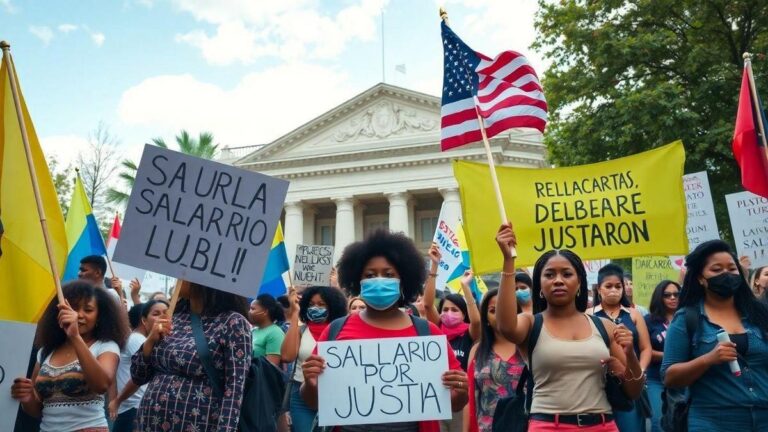
What is the current minimum wage in each US state? In this article, I will guide you through the world of minimum wage in the United States, explaining his importance for workers and how it impacts the economyLet's compare the minimum wages in each state and understand which ones have the highest and lowest values. We'll also discuss some policies e recent changes that affect the minimum wage. I will also talk about the impact this has on everyday life and how it relates to social benefitsI'm excited to share this information with you!
Understanding the Minimum Wage in the US 2023
What is the minimum wage?
O minimum wage It's the lowest amount an employer can pay a worker per hour worked. In the United States, this amount can vary from state to state. As of 2023, some areas have a higher minimum wage, while others still follow the federal standard. This means that if you're working in a place with a high cost of living, you can expect a higher minimum wage.
Importance of minimum wage for workers
The minimum wage is fundamental to ensure workers can cover their basic needs, such as food, housing, and transportation. For many people, this amount is a lifeline. Without a minimum wage, employers could pay much less, leaving many workers in dire financial straits.
How the minimum wage affects the economy
The minimum wage impacts not only workers but also the economy as a whole. When workers earn more, they tend to spend more. This helps boost local businesses and create more jobs. Furthermore, a fair minimum wage can reduce the need for welfare, as more people can support themselves.
Here's a simple table to better understand how the minimum wage can vary:
| State | Minimum Wage (2023) |
|---|---|
| California | $15.50 |
| Texas | $7.25 |
| New York | $15.00 |
| Florida | $11.00 |
If you're wondering “What is the current minimum wage in each US state?”, it's important to be aware of these differences, especially if you're thinking about moving out of state or starting a new job.
Minimum Wage Comparison Between American States
States with the highest minimum wage
When I look at the states with the higher minimum wages, I'm impressed by how some places genuinely strive to support their workers. Here are some states that stand out:
| State | Minimum Wage (per hour) |
|---|---|
| Washington | $15.74 |
| Massachusetts | $15.00 |
| California | $15.00 |
| New York | $15.00 |
These states understand that a higher wage can make a big difference in people's lives. For example, in Washington, the cost of living is high, and the minimum wage helps cover basic expenses.
States with the lowest minimum wage
On the other hand, some states are still struggling to raise their minimum wage. Here are some of them:
| State | Minimum Wage (per hour) |
|---|---|
| Georgia | $5.15 |
| Wyoming | $7.25 |
| Alabama | $7.25 |
| Mississippi | $7.25 |
It's sad to see that in places like Georgia, the minimum wage is so low. This can make life very difficult for those who work there. People often have to juggle multiple jobs to make ends meet.
Regional differences in minimum wage
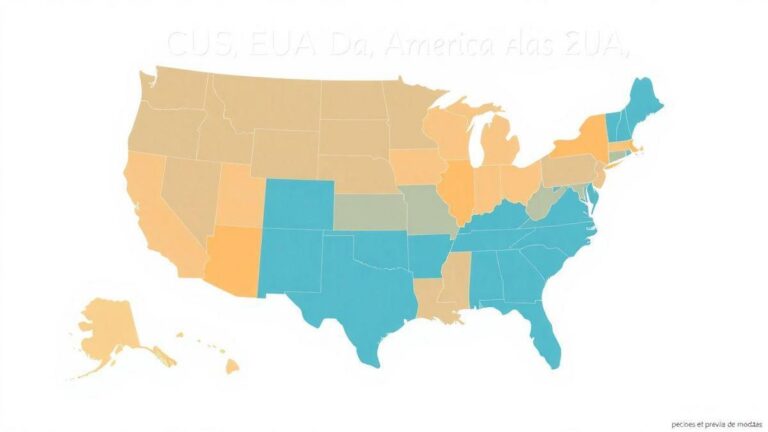
To the regional differences The minimum wage statistics show how each state has its own needs and challenges. While states like Washington and Massachusetts are focused on ensuring their workers receive a fair wage, other states are still struggling to achieve this goal.
This makes me wonder how local policies can affect people's lives. A higher minimum wage can help reduce poverty and improve quality of life. Conversely, a low minimum wage can leave workers struggling to make ends meet.
Minimum Wage Policies and Legislation
How State Laws Define Minimum Wage
When I think about the laws that define the minimum wage, I'm struck by the diversity that exists among US states. Each state has its own approach, and this can greatly affect people's lives. For example, while some states have higher minimum wages, others still follow the federal standard, which is $7.25 per hour.
Here are some examples of minimum wages in different states:
| State | Minimum wage |
|---|---|
| California | $15,50 |
| New York | $15,00 |
| Texas | $7,25 |
| Florida | $11,00 |
These numbers show how state laws can vary. It's important that you and I stay aware of these differences, as they directly impact our daily lives.
Recent changes in minimum wage legislation
In recent years, there has been a growing movement to raise the minimum wage in several states. I notice that this issue has gained more attention, especially in times of inflationMany people are struggling to cover their expenses, and an increase in the minimum wage could make a big difference.
For example, states like California and New York have implemented gradual increases. This means that, over time, the minimum wage rises, helping workers maintain a more dignified standard of living.
The role of the federal government in minimum wage policies
The federal government plays a key role in minimum wage policies. It sets a baseline standard that all states must follow. However, states have the freedom to set higher minimum wages. Thus, the federal government establishes a baseline, but each state can adapt it to its own needs.
Interestingly, while the federal government sets the minimum wage, many states are going further, seeking to ensure workers are paid fairly. This demonstrates a growing concern for the well-being of citizens.
Impact of Minimum Wage on Daily Life
How the minimum wage influences the cost of living
When I think about minimum wage, it immediately comes to mind how it affects my daily life. The minimum wage is the lowest amount an employer can pay a worker. This means that, depending on where I live, this amount can be crucial to cover basic expenses, such as rent, food e transport.
For example, in states with a high cost of living, like California or New York, the minimum wage may not be enough to live comfortably. Here's a simple table to illustrate this:
| State | Minimum wage | Average Rental Cost |
|---|---|---|
| California | $15,50 | $2,500 |
| New York | $15,00 | $3,000 |
| Texas | $7,25 | $1,500 |
| Florida | $11,00 | $1,800 |
As you can see, in places where rent is high, the minimum wage doesn't cut it. This makes me wonder how many people are struggling to pay their bills each month.
Effects of minimum wage on poverty and inequality
The minimum wage also plays an important role in poverty and in inequalityWhen wages are low, many people can't escape the poverty line. This makes me reflect on how many families live in hardship, without access to basic services like healthcare and education.
An increase in the minimum wage can help reduce poverty. Imagine a family earning just the minimum wage. With a raise, they can buy more food, access better healthcare, and even save a little. It changes people's lives!
Success stories with minimum wage increases
I've heard stories of cities that raised the minimum wage and saw significant improvements. One example is Seattle. After raising the minimum wage, many people were able to escape poverty. What I found most interesting was that, with more money in their pockets, people began spending more in their communities, which helped the local economy grow.
These success stories show that an increase in the minimum wage can have a positive impact not only on people's lives, but also on the economy as a whole.
US Minimum Wage Survey
Data and statistics on the minimum wage
When I look at the minimum wage in the US, I see that it varies a lot from state to state. In 2023, the federal minimum wage is $7,25 per hour. But many states and cities have decided to increase this amount. For example, in California, the minimum wage is $15,50 per hour. This means that, depending on where you live, you could earn much more or much less.
Here is a table with some examples of minimum wages in different states:
| State | Minimum Wage (2023) |
|---|---|
| California | $15,50 |
| New York | $15,00 |
| Texas | $7,25 |
| Florida | $11,00 |
| Washington | $15,74 |
These numbers show how salary can fluctuate significantly. It's important to know what is the current minimum wage in each US state to better understand your job options.
Trends in minimum wage increases
In recent years, I've noticed a growing movement to raise the minimum wage. Many people are asking higher salaries to cope with the cost of living. This is especially true in large cities, where expenses are higher.
Studies Research shows that when the minimum wage increases, more people can pay their bills and live with more dignity. Furthermore, a higher wage can help stimulate the economy, as people have more money to spend.
What the research says about the future of the minimum wage
The future of the minimum wage in the US is a hot topic. Many studies indicate that more states may follow the example of places like California and New York by raising their minimum wages in the coming years. This could be good news for those struggling to make ends meet.
With the rising cost of living, many believe the minimum wage will need to be adjusted regularly. Discussions about a higher federal minimum wage are ongoing, and this could change the lives of millions of workers.
Social Benefits Related to the Minimum Wage
Assistance programs for low-income workers
When I think of low-income workers, the importance of assistance programs. These programs are true lifesavers for those who win the minimum wage. They help cover basic needs such as food, housing, and healthcare. For example, Supplemental Nutrition Assistance Program (SNAP) offers assistance with food purchases. This is a relief for those struggling to put food on the table.
Additionally, there are programs like WIC, which provides nutritional assistance to mothers and children. These resources are essential to ensuring everyone has access to healthy food, even when their income is insufficient.
How the Minimum Wage Relates to Tax Credits
The tax credits are another form of support that can make a big difference in the lives of those who earn the minimum wage. For example, Child Tax Credit can help families save a significant amount when paying taxes. This means more money in their pockets, which can be used for bills or other needs.
The relationship between the minimum wage and tax credits is clear: the more you earn, the more difficult it can be to access these benefits. Therefore, it's important to be aware of the options available and how they can alleviate financial pressure.
The importance of the minimum wage for accessing social benefits
O minimum wage It's not just a number; it's the key that unlocks many social benefits. When wages are low, getting help can be challenging. On the other hand, a higher minimum wage can make it easier to access assistance programs and tax credits.
Here are some important points about this:
| Aspects | Impact of Minimum Wage |
|---|---|
| Access to programs | Higher wages facilitate access |
| Tax credits | More income may mean less help |
| Quality of life | A better salary can improve health and education |
Understanding how the minimum wage relates to social benefits is essential. This not only helps me plan better but also makes the most of available resources.