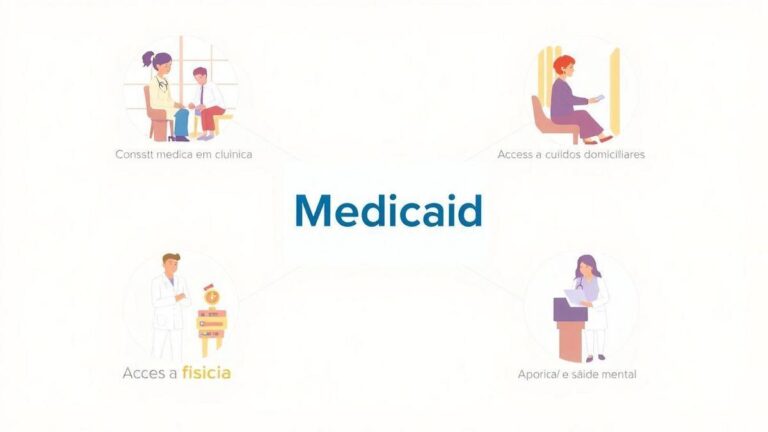
A complete guide to understanding Medicare in the United States
A complete guide to understanding Medicare in the United States is what you will find here. I will explain everything about Medicare, from the available plans until the benefits that it offers. If you are wondering about eligibility, costs and how to enroll, you've come to the right place! Let's explore each part of Medicare together in a simple, easy-to-understand way.
What is Medicare and how does it work?
Medicare is a program of health of the United States government, created to help people pay for medical services. It is especially aimed at people with 65 years or older, but it can also benefit some younger people with disabilities. Let's explore how this program works and what its main benefits are. benefits.
Understanding Medicare Plans
Medicare is divided into different parts, each with a specific function:
- Part A: Copper hospitalizationThis includes hospital stays and nursing home care.
- Part B: Covers medical services such as consultations and exams.
- Part C: Also known as Medicare Advantage, it combines parts A and B and may include additional benefits, such as dental care.
- Part D: Covers prescription drugs, helping pay for necessary medications.
| Part of Medicare | What it covers |
|---|---|
| Part A | Hospitalization and nursing home care |
| Part B | Medical appointments and exams |
| Part C | Plans that combine A and B |
| Part D | Prescription medications |
Medicare Health Benefits
Medicare benefits are numerous and can make a big difference in people's lives. Here are some of the main benefits:
- Access to medical care: With Medicare, I can go to doctors and hospitals without worrying so much about the costs.
- Medication coverage: Part D is essential to help pay for medications I need every day.
- Prevention: Medicare also provides preventive services, such as vaccinations and health screenings, that help keep me healthy.
How Medicare Helps Cover Costs
Medicare helps reduce healthcare costs in several ways. By using Part A and Part B, I can access a large portion of my medical care without paying much out of pocket. Additionally, with Part D, I can save on medications that would otherwise be very expensive. This support is crucial, especially considering the high costs of healthcare. With Medicare, I feel like I have a safety net that helps me manage my health without breaking the bank.
Medicare Eligibility in the United States
Who can enroll in Medicare?
If you're wondering who can enroll in Medicare, the answer is simple. Medicare is a health program that primarily serves people 65 and older, but can also help younger people with certain health conditions. Here are the groups that are eligible:
- People aged 65 and over: This is the majority of subscribers.
- People with disabilities: If you have a disability and have received Social Security benefits for at least 24 months, you can apply.
- People with specific diseases: Those with End-Stage Chronic Kidney Disease or Amyotrophic Lateral Sclerosis (ALS) are also eligible to apply.
Age and Eligibility Requirements
Age is an important factor. To enroll in Medicare, you must be at least 65 years oldBut don't worry! If you're not there yet, you can prepare for the application. Here are the requirements:
- US Residence: You must be a citizen or legal resident.
- Social Security Contributions: Have contributed for at least 10 years (or 40 credits) throughout your life.
Importance of checking your eligibility
Check your eligibility Enrolling in Medicare is crucial. Not wanting to miss out on this opportunity is what motivates me to share this information. Enrollment may seem like a complicated process, but it's crucial. If you don't enroll when you're eligible, you could end up paying more later and losing access to essential healthcare.
| Factor | Details |
|---|---|
| Minimum age | 65 years old |
| Citizenship | US citizen or legal resident |
| Necessary contributions | 10 years (40 credits) |
Therefore, I recommend that you pay attention to registration dates and check your status. This can make all the difference to your health and well-being.
Types of Medicare plans available
Differences Between Medicare Part A and Part B
When I started exploring the Medicare, I realized that parts A and B are essential. Part A covers the hospitalization, meaning if I need to stay in a hospital, this part helps pay. Part B covers services doctors e consultations, including doctor visits and some preventive services.
Here's a simple table to help you understand the differences:
| Part | What it covers | Costs |
|---|---|---|
| Part A | Hospitalization | There is usually no monthly fee, but there may be copayments. |
| Part B | Medical consultations and services | There is a monthly fee that varies annually. |
What are Medicare Part C and Part D?
Part C, also known as Medicare Advantage, it's like a package deal that includes Part A and Part B, and often Part D as well. This means that by choosing Part C, I can get everything in one place, which is very convenient!
Part D covers the prescription drugsIf I need medication, this part helps pay for it, which is very useful for those who take medication regularly.
Choosing the Right Medicare Plan for You
Choosing the right Medicare plan can seem complicated, but it doesn't have to be. I encourage people to consider their health needs. Ask yourself:
- What medical services do I use most often?
- Do I take any medications? Which ones?
- Do I prefer to have everything in one place or separate plans?
Asking these questions can help me make a more informed decision. And remember, it's always a good idea to review your options annually, as your needs may change.
How to Enroll in Medicare
Steps to Enrolling in Medicare
Signing up for Medicare may seem complicated, but don't worry! I'll walk you through the basic steps. Here's what you need to do:
- Check your eligibility: To apply, you generally need to be 65 or older, or have certain specific health conditions.
- Choose your plan: Medicare has different parts (A, B, C, and D). Part A covers hospitalizations, while Part B covers doctor's visits. Part C is a private health plan that includes parts A and B, and Part D covers prescription drugs.
- Fill out the registration form: You can enroll online, by phone, or in person. The Medicare website is very easy to navigate.
- Submit your application: After completing, submit your form and wait for confirmation.
Registration deadline and what to know
Enrollment deadlines are important! You have an initial 7-month period to enroll, which begins 3 months before your 65th birthday. Missing this deadline may result in penalties.
Here is a summary of the deadlines:
| Period | Description |
|---|---|
| 3 months before | Start of the registration period |
| Birthday month | Last month to register |
| 3 months later | Last month of the registration period |
Tips to avoid registration errors
Avoiding mistakes is key! Here are some tips I use:
- Read everything carefully: Sometimes the details are hidden between the lines.
- Verify your information: Make sure your name and date of birth are correct.
- Ask for help: Don't hesitate to call Medicare Customer Service if you have questions.
Remember, correct registration can make all the difference in your health coverage!
Costs associated with Medicare
Understanding Medicare Costs
When I think about Medicare, the first thing that comes to mind is the costsIt's important to know that while Medicare helps cover many healthcare services, there are still some expenses to consider. The plan is divided into different parts, each with its own costs. Let's take a look at the main costs that may arise.
What are deductibles and copayments?
Now, let's talk about two terms that may seem complicated, but are very important: franchises e copayments.
- Franchise: This is the amount I need to pay out of pocket before Medicare starts covering my expenses. For example, if my deductible is R$ 1,000, I need to spend that amount before I can receive any help from the plan.
- Copayment: It's an amount I pay each time I use a health service. For example, if I go to the doctor and the copay is R$1,400, I pay it at the time of the appointment.
Here's a simple table to summarize:
| Cost Type | Description |
|---|---|
| Franchise | Amount I pay before Medicare covers expenses |
| Copayment | Amount paid for each visit or service used |
How to Financially Plan for Medicare
Now that I understand the costs, it's time to think about how to plan financially. Here are some tips:
- Budget: I need to create a monthly budget to include Medicare expenses. This helps me see where I can save.
- Economies: Have a financial reserve It's a good idea. That way, if I have to pay a deductible or copay, I won't be in a tight spot.
- Search: I will research different Medicare plans to find the one that best fits my needs and budget.
By doing this, I can feel more secure and prepared to face Medicare costs.
Additional Medicare Benefits
Prevention and wellness services
When I think about us prevention services that Medicare offers, I feel it's a real lifesaver. Medicare covers a variety of tests and services that help maintain health up to date. This includes:
- Annual wellness exams
- Vaccines, such as the flu vaccine
- Cancer screenings, such as mammograms and colonoscopies
These services are crucial for detecting health problems before they become serious. This allows me to take care of my health and avoid unpleasant surprises.
How Medicare Supports Long-Term Care
Long-term care can be a concern for many of us. Medicare, while not covering all costs, offers some options that can ease the burden. For example:
- Part A covers hospitalizations, including nursing home care.
- Part B can help with home health services such as physical therapy.
It's important to keep an eye on the options available, as they can make a big difference in your quality of life.
Exploring Medicare Extra Benefits
Medicare has some extra benefits that many people don't know about. Here are some of them:
| Benefits | Description |
|---|---|
| Prescription Program | Helps pay for medications. |
| Mental Health Services | Covers therapy and counseling. |
| Preventive Care | Exams and vaccinations at no additional cost. |
These benefits are like a bonus that can make life easier and help maintain good health. It's always good to know there's support available.