Head Start in the USA vs. public schools: understand the differences
Head Start in the USA vs. public schools: understand the differences is what we'll explore here. We'll dive into the world of early childhood education with a dash of humor. From funding to curriculum, I'll tell you how Head Start and the public schools differentiate themselves. Get ready for a journey full of comparisons, additional services, and, of course, a dose of laughter about how all this impacts the lives of children and families. Hold on tight, because this journey promises to be fun!
What is Head Start in the US and how is it different from public schools?
The Head Start Mission and Goals
O Head Start is a program that supports children from low-income families. The idea is to give these children a solid foundation before entering school. Just think, it's like giving a bike a little push before taking off the training wheels! The program focuses on several areas, such as education, health e social developmentThe mission is simple: to help children prepare for school and life. Goals include:
- Education: Teach basic skills such as reading and counting.
- Health: Ensure children have up-to-date medical checkups and vaccinations.
- Family: Involve parents in the learning process.
How Public Schools Compare to Head Start
Now, let's take a look at the public schoolsThey're like Head Start's big brother, but with a few differences. While Head Start focuses on early childhood education, public schools serve children of all ages, from kindergarten through high school. Here are some comparisons:
| Aspect | Head Start | Public Schools |
|---|---|---|
| Children's Age | 0 to 5 years | 5 to 18 years old |
| Focus | Initial development | General education |
| Cost | Free of charge | Free (tax-funded) |
| Family Involvement | High | Variable |
Understanding the differences between programs
So what really sets them apart? Head Start is like that friend who always brings healthy snacks to the party, while public schools are more like the all-you-can-eat buffet. Head Start focuses more on preparing children for life and school, while public schools take a broader, more comprehensive approach.
For example, in Head Start, children learn through games and activities, while parents are encouraged to participate. In public schools, the approach may be more traditional, with classes and tests.
In short, the Head Start in the USA vs. public schools: understand the differences shows how each program plays a role in education. One is like the first step on the path, and the other is the road that leads to many adventures!
Head Start vs. Public School Funding: Who Pays the Bill?
The Role of Federal Funding in Head Start
When I think of Head Start funding, the first thing that comes to mind is government aid. The Head Start program is like that friend who always brings snacks to the party: it is funded largely by federal governmentThis means that while children have fun learning, the taxes we, as citizens, pay help cover the costs. We're all in this together to help our future stars shine!
How Public Schools Are Funded
Now, if you're wondering how the public schools get money to operate, the answer is a little more complex. Schools receive funding from various sources, such as:
- Local taxes: That tax that makes you think twice before buying that gourmet coffee.
- State taxes: What helps pay the bills and keep the lights on.
- Federal funding: Yes, the government also lends a hand here, but it's just a part of the pie.
Here's a simple table to help you understand better:
| Funding Source | Approximate Percentage |
|---|---|
| Local taxes | 45% |
| State taxes | 45% |
| Federal funding | 10% |
The importance of money in early childhood education
Now, let's talk about the importance of money in early childhood education. Without funding, schools and programs like Head Start can't offer activities that encourage children to learn and have fun. Funding is what ensures children have access to good teachers, quality materials, and, of course, that delicious snack during recess.
When we talk about "Head Start in the US vs. public schools: understand the differences," we're talking about how money (or the lack thereof) can make a big difference in children's lives. And, at the end of the day, that's what really matters!
Educational Curriculum: What Does Head Start Offer That Public Schools Don't?
Approach to child development in Head Start
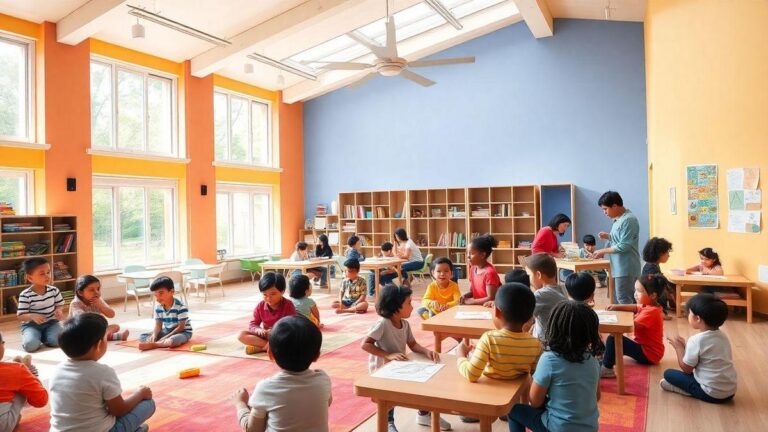
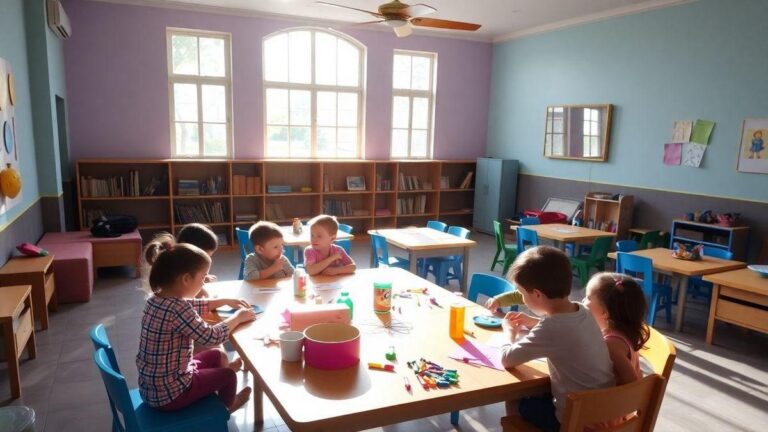
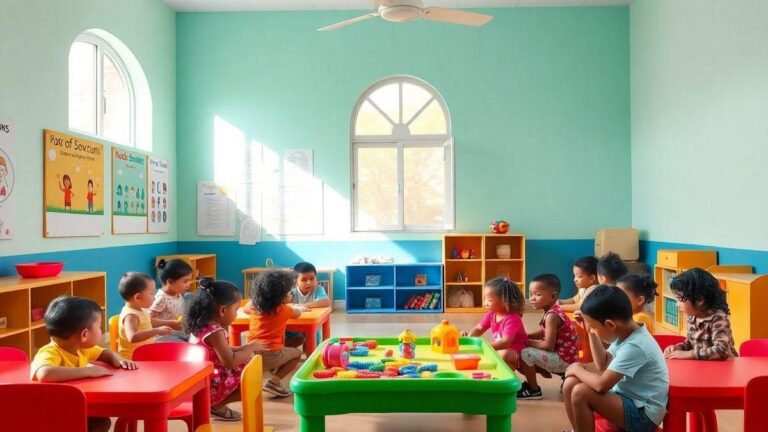
When I think about Head StartI envision a place where children not only learn but also have fun while doing it. The program is like a superhero of child development! While public schools have their own way of teaching, Head Start focuses on all areas of growth of the child. This includes not only education, but also health, nutrition, and even emotional support.
Children have the chance to explore, play, and learn all at the same time. At Head Start, the motto is: "Learning is an adventure!" And who doesn't love a good adventure, right?
The public school curriculum and its limitations
Now, let's look at public schools. They have a curriculum that's like a fast food meal: quick, but not always nutritious. The main focus is on subjects like math and Portuguese, but children often don't have the opportunity to explore other important areas, such as art and the music.
| Aspect | Head Start | Public Schools |
|---|---|---|
| Focus on Development | Integral (health, nutrition, emotional) | Mainly academic |
| Activities | Educational games | Traditional classes |
| Family Support | Active involvement | Less focus on family support |
How the curriculum impacts the quality of teaching
Think of it this way: if curriculum were a pizza, Head Start's would be a gourmet pizza, full of fresh, flavorful ingredients, while public school's would be a frozen pizza. Both are good, but one has a little extra flavor!
The quality of Head Start teaching is impacted by how they approach learning. They celebrate curiosity of children, allowing them to ask questions and explore. In public schools, children are often taught to memorize and follow rules, which can be a bit... boring, to be honest.
Access to education: who has more opportunities?
Head Start Eligibility Criteria
When I heard about Head Start, I thought it was a program for those who wanted to get ahead, like a rocket! But in reality, it's a program that helps children from low-income families have a quality education before entering school. To participate, families must meet certain criteria. Here are the main ones:
- Income: Families must have an income that does not exceed 130% of the poverty line.
- Age: Children must be between 3 and 5 years old.
- Special needs: Children with disabilities have priority.
So if you are thinking about giving a little push In your little one's education, Head Start can be the gateway!
Access to public schools and its challenges
Now, let's talk about public schoolsAh, public schools! They're like that friend who always shows up when you don't want them, but you know you need them. Access is guaranteed, but the challenges are many. Here are a few:
- Quality of education: Some schools have more resources than others. It's like choosing between a sports car and an old bicycle.
- Class size: In some schools, classes are so large that the teacher seems to be giving a lecture in a stadium.
- Location: Depending on where you live, it can be more difficult to find a good school. Sometimes it's like looking for a needle in a haystack!
What this means for families
For families, this can all seem like a real puzzle. Head Start can be a great option for those who need early support. Public schools can offer access, but they also come with their own challenges. Ultimately, what matters is finding the best option for each child and family. After all, no one wants their children to get lost along the way, right?
Supporting Families: What Does Head Start Do That Public Schools Don't?
Additional services offered by Head Start
Ah, the Head Start! This program is like that friend who always brings extra snacks to the party. It not only takes care of the kids, but also offers a range of additional services that public schools often don't have. Just imagine:
- Early Childhood Education: Head Start offers fun, interactive learning for young children. It's like playing an educational video game, but without the screen!
- Nutritional Assistance: Here, food is taken seriously. Children receive healthy meals, because no one wants to see a little one dreaming about pizza while eating broccoli.
- Health Support: Regular checkups and health care are part of the package. It's like having a private doctor, but without the hassle of waiting in the office!
- Family Support Services: Head Start offers help with family issues, such as counseling and financial support. It's like having a superhero who shows up when you need it most.
Public school support for families
To the public schools, on the other hand, also have their value, but they often focus solely on education. They're like that friend who's great at math but can't cook a good barbecue. They offer:
- Basic Education: The main function is to teach subjects like math and science. But let's be honest, who wouldn't like a little fun in their learning?
- Extracurricular Activities: Many schools have sports and clubs, but this may not be enough for some families.
- Psychological Support: Some schools offer counseling services, but they are not always available to everyone.
| Aspect | Head Start | Public Schools |
|---|---|---|
| Early Childhood Education | Yes | No |
| Nutritional Assistance | Yes | No |
| Health Support | Yes | Limited |
| Family Support | Yes | Limited |
| Extracurricular Activities | No | Yes |
The difference it makes in children's lives
Now, let's talk about the difference what it does to children's lives. Head Start isn't just about learning; it's about prepare children for life! They not only learn to count, but also to relate, take care of themselves, and understand the world around them. This can make all the difference when they enter elementary school.
When children have access to services that meet their needs, they feel more confident and ready to face whatever lies ahead. It's like giving them a superhero armor before entering the battle of school life.
Quality of Education: How Does Head Start Stand Out?
Quality Assessments in Head Start
When we talk about early childhood education, the program Head Start It's like that friend who always brings the best snacks to the party. They stand out because they're focused on helping kids prepare for school, and that's not just lip service! Quality evaluations show that children who participate in Head Start perform better in several areas.
These assessments consider many factors, such as:
- Cognitive development: Children learn to think critically.
- Social skills: They learn to play and interact with others.
- Preparing for school: They are more ready to face the challenges of formal education.
Comparing the quality of teaching in public schools
Now, let's put the Head Start and the public schools side by side, like two competitors in a dance competition. Head Start is a program focused on low-income children, while public schools serve everyone. Here's a table that highlights some of the differences:
| Aspect | Head Start | Public Schools |
|---|---|---|
| Target audience | Low-income children | All children |
| Focus | Comprehensive development | Academic curriculum |
| Duration | 1 to 2 years | School Years (K-12) |
| Additional support | Health and nutrition services | It varies depending on the school |
The impact of quality on early childhood education
The quality of early childhood education is like the seasoning in a recipe. If it's good, the end result will be delicious! The impact of quality in Head Start is significant. Children who go through this program are more likely to do well in school and in life. They learn valuable skills that help them excel later.
For example, I know a mother who enrolled her son in Head Start. He began reading before he started school and made friendships that last to this day. This shows that quality education can really make a difference!